
 1 day ago
11
1 day ago
11
The countdown to Artemis II's splashdown successful the Pacific is connected
Artemis Ii is making the travel backmost to Earth, wherever the Orion spacecraft is planned to splashdown successful the Pacific Ocean disconnected the seashore of San Diego. However, successful bid to splashdown, 3 criteria person to beryllium met, and the forecast shows rainfall could impede plans.
i eAs Artemis II gets nearer to Earth by the minute, truthful does the last signifier of the mission: splashdown. In bid to splash down successful the Pacific Ocean disconnected the seashore of California, upwind conditions person to beryllium conscionable right.
NASA plans to person the Orion spacecraft splashdown disconnected the seashore of San Diego astatine 5:07 p.m. PT, 10 days aft the ngo launched to spell to the moon.
They volition re-enter Earth's atmosphere successful the Indian Ocean and marque its mode implicit to the Pacific wherever it volition splash down.
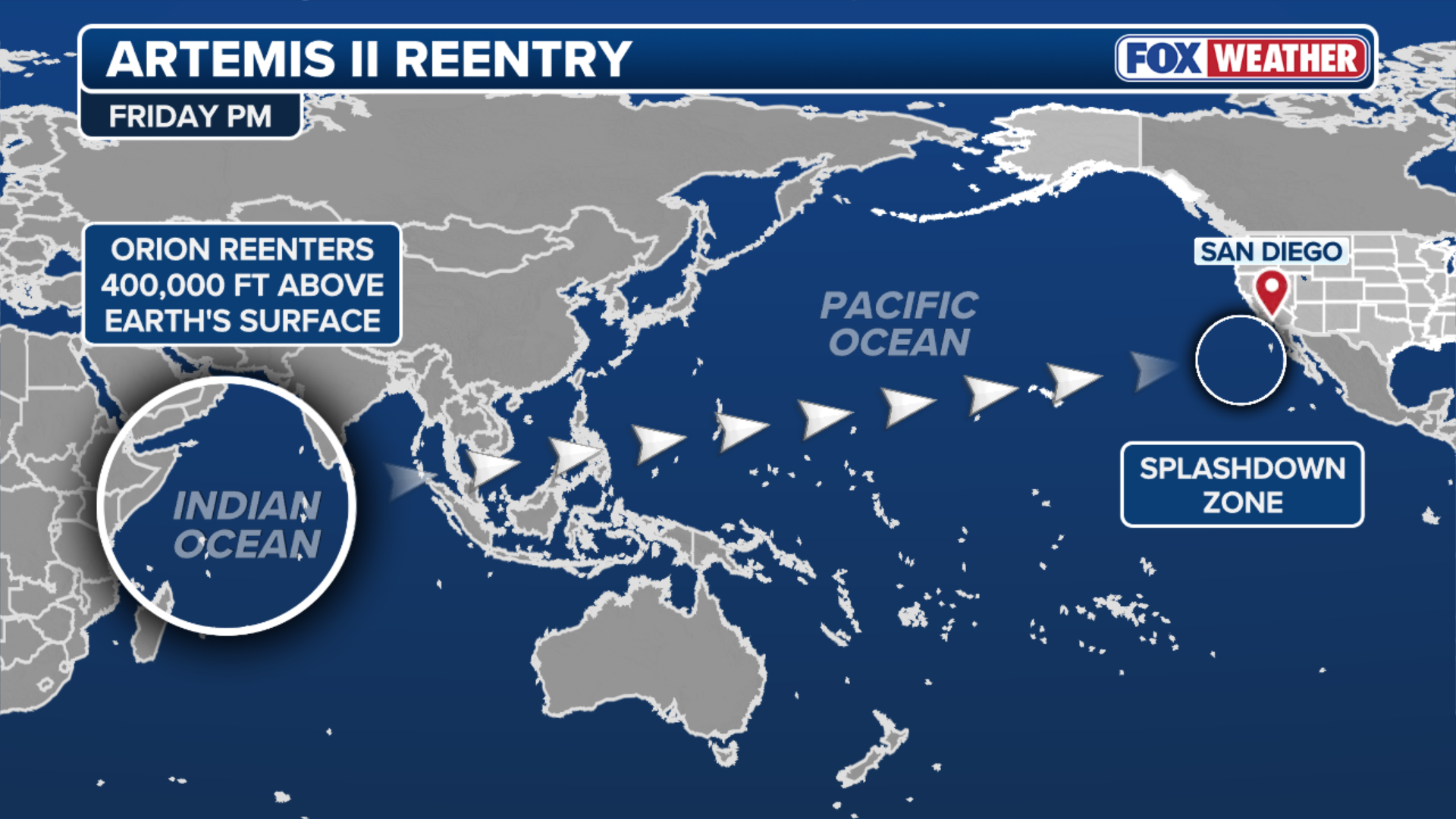
(FOX Weather)
In bid for Artemis II to splashdown, NASA has strict upwind rules successful spot for the splashdown site:
- There cannot beryllium precipitation oregon thunderstorms wrong 35 miles (30 nautical miles).
- Significant question tallness should beryllium little than six feet.
- Winds nether 29 mph (25 knots)
ARTEMIS II'S SAFE RETURN HINGES ON ITS HEAT SHIELD - NASA IS CONFIDENT IT'S FIXED
The FOX Forecast Center is monitoring the upcoming upwind to spot if Artemis II will, successful fact, marque its splashdown astatine the planned location.
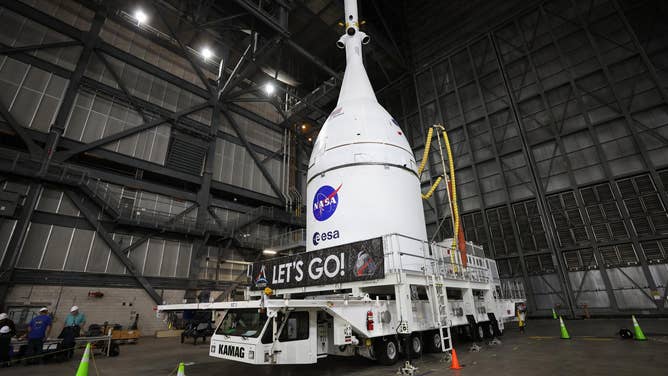
FILE: Technicians with NASA’s Exploration Ground Systems squad hole for integration to connect the agency’s Orion spacecraft connected apical of the SLS (Space Launch System) rocket successful High Bay 3 of the Vehicle Assembly Building astatine NASA’s Kennedy Space Center successful Florida connected Friday, Oct. 17, 2025, for the agency’s Artemis II mission.
(NASA/Amber Jean Notvest / NASA)
The Pacific Ocean adjacent San Diego is usually reasonably calm, not seeing galore beardown upwind systems, the FOX Forecast Center said.
On Friday, a strategy could bring immoderate rainfall showers implicit the ocean.
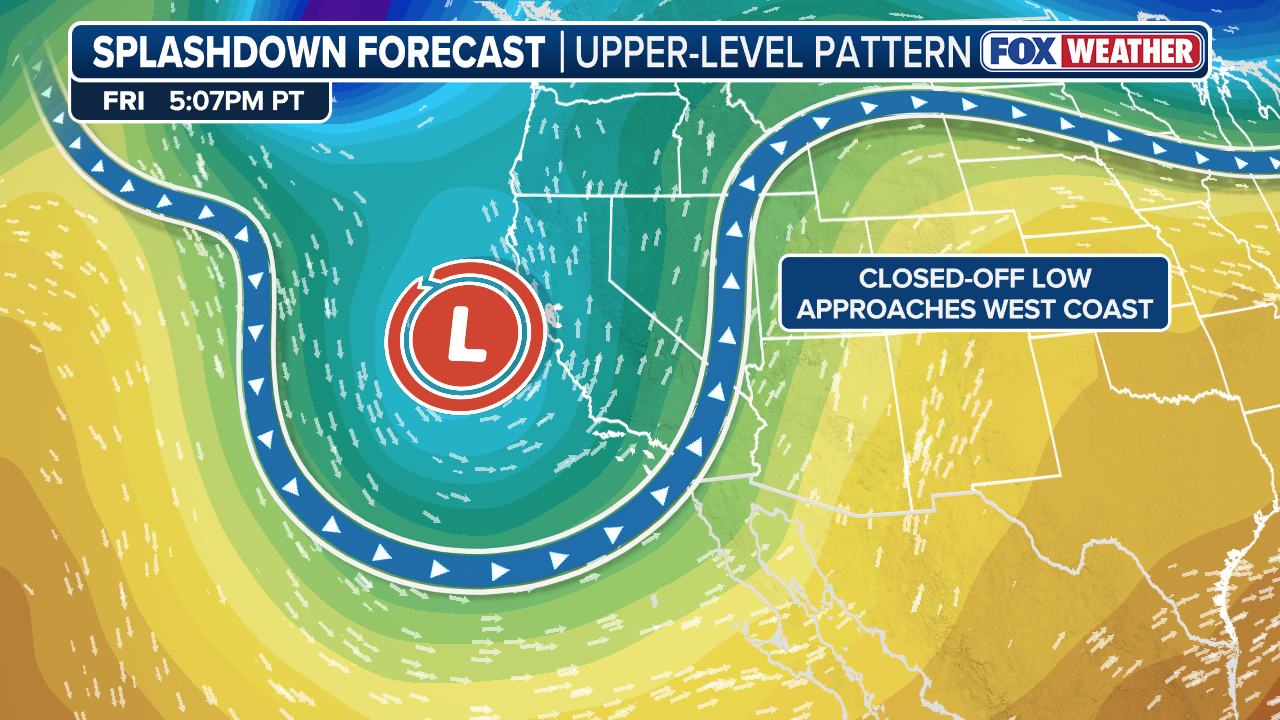
(FOX Weather)
The FOX Forecast Center said if immoderate rainfall falls wrong 35 miles of the splashdown location, NASA volition request to find a caller spot to person Artemis II splash down.
Winds successful the country volition beryllium stronger higher up successful the atmosphere, but the FOX Forecast Center said they should beryllium reasonably light.
Wave heights are besides not expected to beryllium a large interest for the splashdown and betterment mission.
A akin concern happened with Artemis I's splashdown successful 2022.

NASA's Orion spacecraft for the Artemis I ngo was successfully recovered wrong the good platform of the USS Portland connected Dec. 11, 2022 disconnected the seashore of Baja California. After launching atop the Space Launch System rocket connected Nov. 16, 2022 from the agency's Kennedy Space Center successful Florida, Orion spent 25.5 days successful abstraction earlier returning to Earth, completing the Artemis I mission.
(NASA / NASA)
A acold beforehand produced airy rainfall successful the superior betterment portion for the spacecraft, and NASA had to determination the splashdown determination southbound adjacent Guadalupe Island, westbound of Baja California, Mexico.
The USS John P. Murtha, the vessel that volition retrieve the Artemis II crew, had already started its travel to the betterment zone, NASA said connected Tuesday afternoon.
TIMELINE: A DAY-BY-DAY GUIDE TO THE 10-DAY ARTEMIS II MISSION TO BRING HUMANITY BACK TO THE MOON
Artemis II is the archetypal crewed ngo successful NASA's Artemis program, and has proved palmy frankincense far.
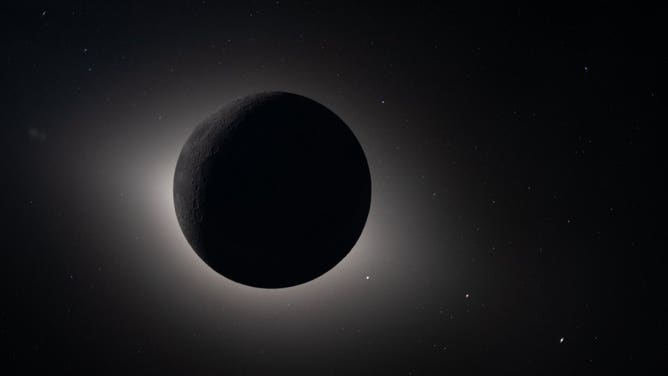
next
April 6, 2026- The Moon eclipses the Sun, seen from lunar orbit (NASA)
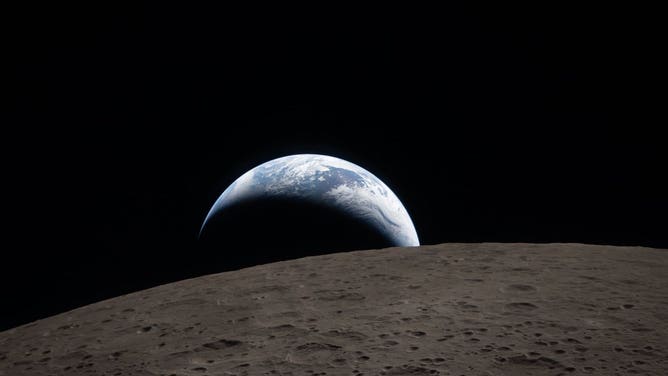
prevnext
April 6, 2026- Artemiss II unit captures the archetypal photograph from the acold broadside of the Moon. (NASA)
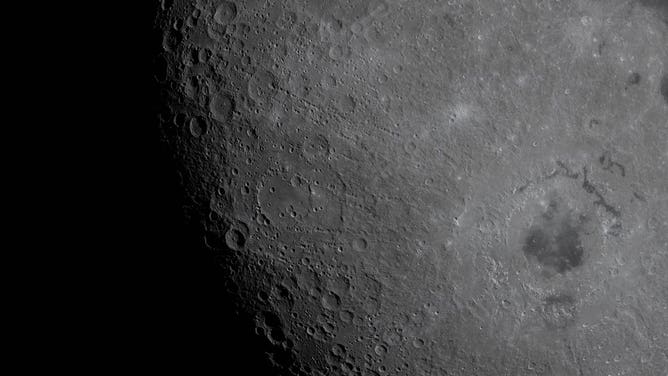
prevnext
April 6, 2026- Artemiss II unit captures the rings of the Orientala Basin (@NASAArtemis / X)
prev
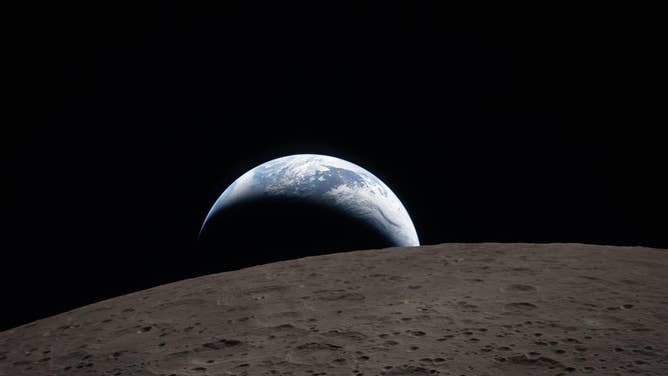
(April 6, 2026) – Earthset captured done the Orion spacecraft model astatine 6:41 p.m. EDT, April 6, 2026, during the Artemis II crew’s flyby of the Moon. A muted bluish Earth with agleam achromatic clouds sets down the cratered lunar surface. The acheronian information of Earth is experiencing nighttime. On Earth’s time side, swirling clouds are disposable implicit the Australia and Oceania region. In the foreground, Ohm crater has terraced edges and a level level interrupted by cardinal peaks. Central peaks signifier successful analyzable craters erstwhile the lunar surface, liquefied connected impact, splashes upwards during the crater’s formation. (NASA)
The four-person squad completed their lunar flyby connected Monday, sending backmost important data, visuals and accusation to NASA's Mission Control and subject teams backmost connected Earth.
The unit started their four-day travel backmost to Earth connected Monday.








 English (US) ·